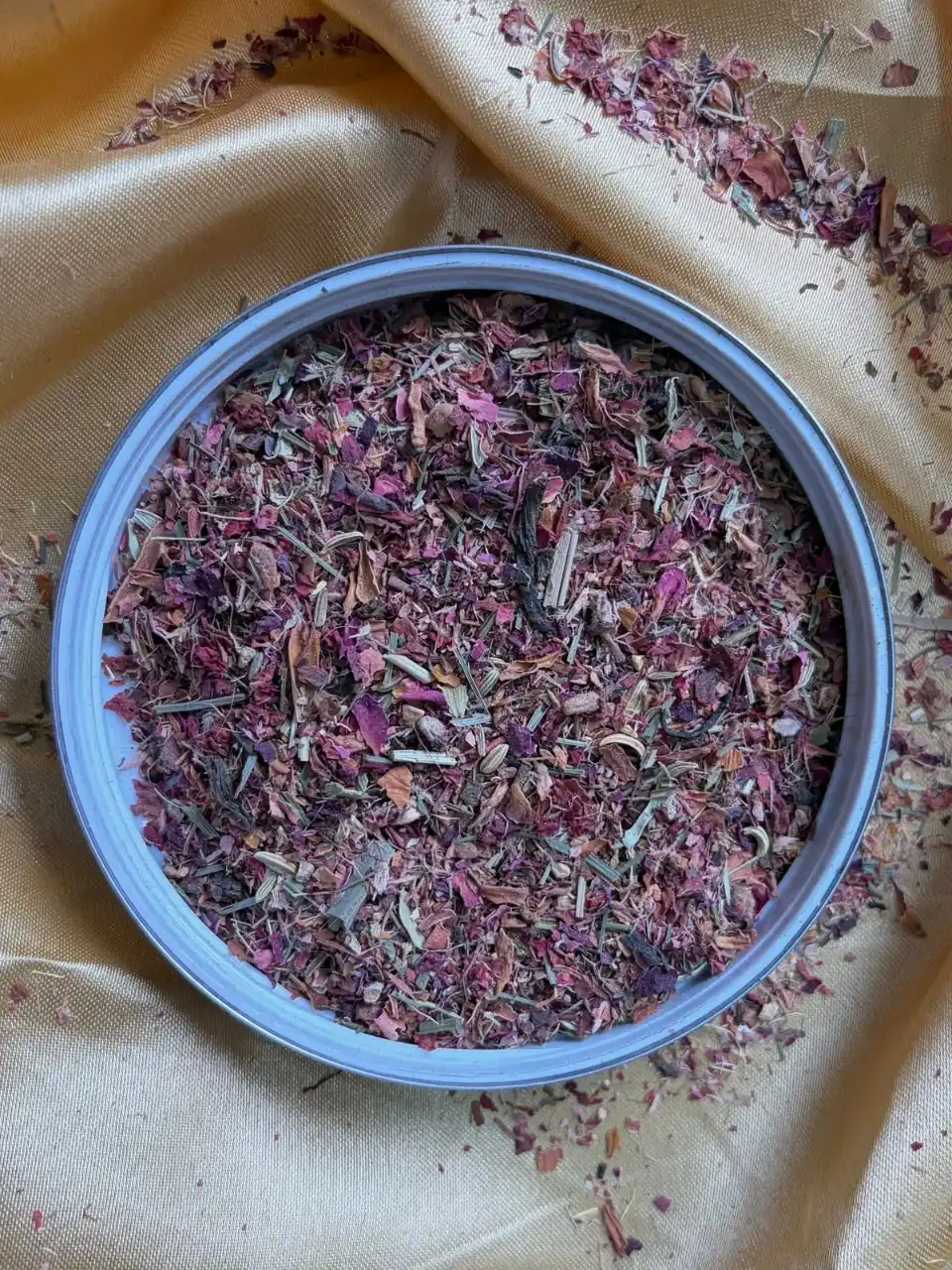
Importing Herbal Tea and Botanicals from India to South Africa
A general guide to importer registration, tariff classification, documents, labelling and shipping.
Learn the key planning steps for importing herbal tea and botanicals from India to South Africa.
Importing herbal tea and botanicals into South Africa requires careful planning. Understand importer registration, product classification, documents, labelling and shipping before placing your order.
Importer Registration
Set Up as an Importer
Businesses importing goods generally need customs registration. A clearing agent can guide you through the registration process.
- Check customs registration.
- Consult a clearing agent.
- Prepare business details
Product Classification
Check Tariff Classification
Each product is classified under a tariff code that determines applicable duties and taxes. Herbal teas, dried flowers and powders may have different classifications.
- Check each product separately.
- Confirm the correct tariff code.
- Verify duties and taxes.
Export Documents
Prepare Required Documents
Common documents include a commercial invoice, packing list and transport document. Some botanicals may also require plant health documents. Anantah Foods prepares export paperwork, phytosanitary certificates and customs documentation, and sends batch records and a Certificate of Analysis.
- Commercial invoice
- Packing list
- Transport document
- Phytosanitary certificates, where required
- Batch records and Certificate of Analysis
Packaging & Labelling
Follow Labelling Rules
Packaged food must meet applicable South African labelling requirements. These may cover product name, ingredients, allergens, net content, date marking and importer details. Confirm requirements before production.
- Product name
- Ingredients and allergens
- Net content
- Date marking
- Importer details
Plant Regulations
Check Plant and Food Controls
Some plant products may require inspections or permits. Ask your clearing agent whether your specific ingredients are affected.
- Check ingredient requirements.
- Confirm permit needs.
- Ask about inspections.
Shipping
Plan Shipping and Shelf Life
Sea freight generally takes longer and costs less, while air freight is faster and more expensive. Share your transit plan so suitable moisture-protective packaging can be recommended.
- Compare sea and air freight.
- Plan transit time.
- Protect tea from moisture.
- Check shelf life.
Importing Tips
Plan Before You Order
A few simple steps can help make the importing process smoother. Test samples, work with an experienced clearing agent and keep your documents organised.
- Test samples in your market.
- Choose an experienced clearing agent.
- Keep certificates and batch records.
- Avoid unsupported health claims.
Manufacturing Support
Working with Anantah Foods
Orders start from 500 units or 25 kg. Production takes around 3–4 weeks after approval. Our R&D team has over 20 years of experience, and formulation is complimentary when you manufacture with us.
- MOQ: 500 units or 25 kg
- Production: 3–4 weeks after approval
- R&D experience: 20+ years
- Complimentary formulation with manufacturing
Important Information
Verify Current Import Rules
This article is general information and not legal advice. Confirm current requirements with SARS, relevant authorities or a customs broker before importing.
- Check current regulations.
- Confirm product-specific requirements.
- Verify documents before shipping.
Common questions
01Do I need customs registration to import into South Africa?
Businesses importing goods generally need to register with customs.
02What is a tariff code?
A tariff code classifies a product and helps determine applicable duties and taxes.
03Which documents are commonly required?
A commercial invoice, packing list and transport document are common requirements.
04Do botanicals need phytosanitary certificates?
Some botanicals may require plant health documents. Confirm requirements for each ingredient.
05What information is needed on food labels?
Labels may include product name, ingredients, allergens, net content, date marking and importer details.
06Can plant products require permits?
Yes. Some plant products may require permits or inspections.
07Which shipping method is better?
Sea freight is generally slower and cheaper, while air freight is faster and more expensive.
08What is Anantah Foods' minimum order quantity?
Orders start from 500 units or 25 kg.
09How long does production take?
Production takes approximately 3–4 weeks after approval.
10Does Anantah Foods provide export documents?
Yes. Anantah Foods prepares export paperwork, phytosanitary certificates and customs documentation.
More guides
 Export
Private Label Herbal Tea for Singapore and Malaysia Brands
Explore private label herbal tea options from India for Singapore and Malaysia, including custom blends and packaging.
 Export
Private Label Herbal Tea for South African Brands
Discover how Indian botanicals can help South African brands create unique private label herbal tea blends.
 Export
ing Herbal Tea from India to Saudi Arabia
A guide for Saudi buyers covering key points when importing herbal tea from India.
 Export
Importing Herbal Tea from India to the USA: FDA Rules, Prior Notice and Labelling
Planning to import herbal tea from India to the USA? Understand FDA registration, prior notice, importer responsibilities, labelling and export documentation.
 Export
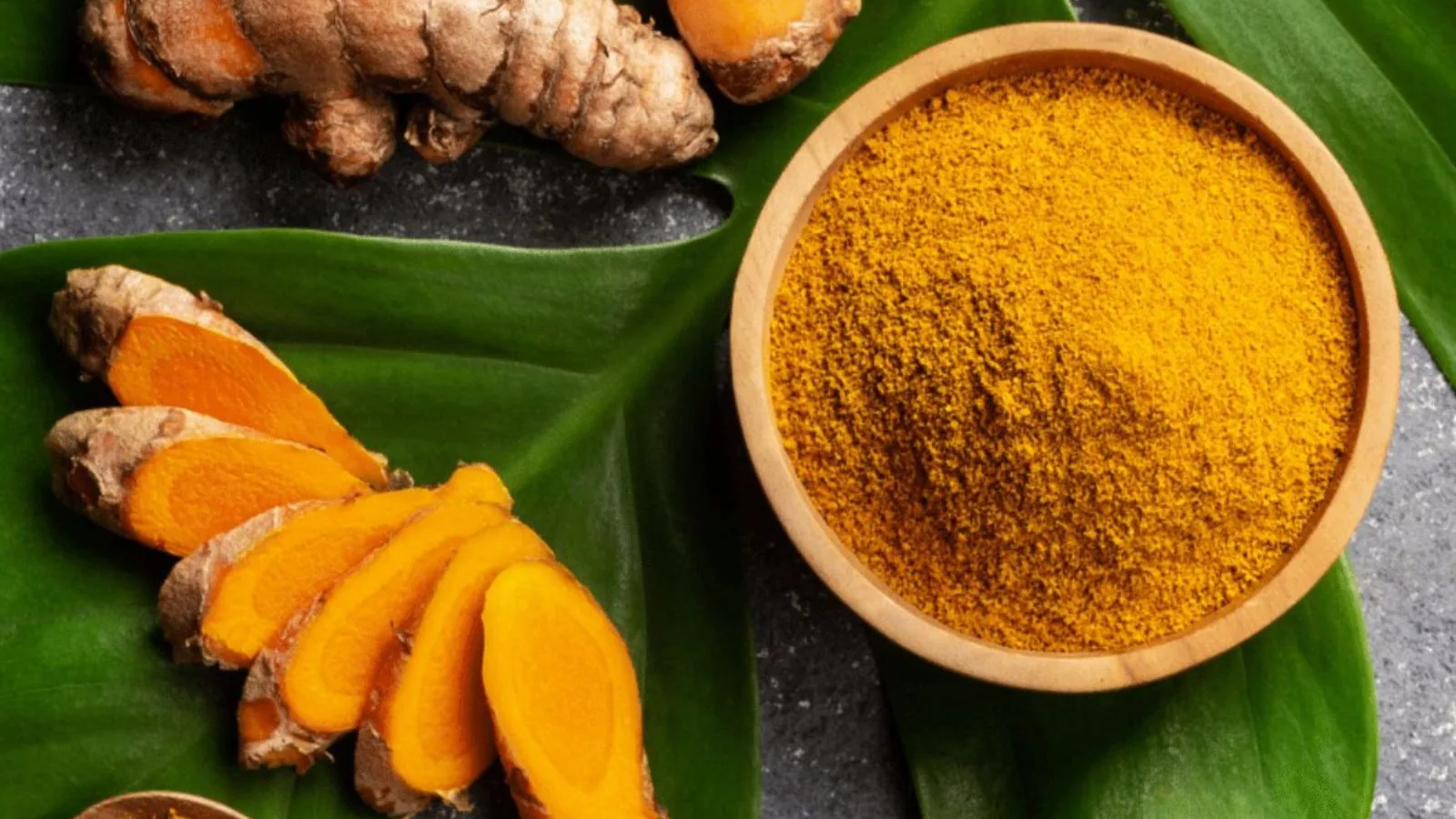
Turmeric Powder Manufacturer in India: Export Guide
Everything buyers need to know about sourcing premium Turmeric powder from India for export markets.
 Herbal Tea
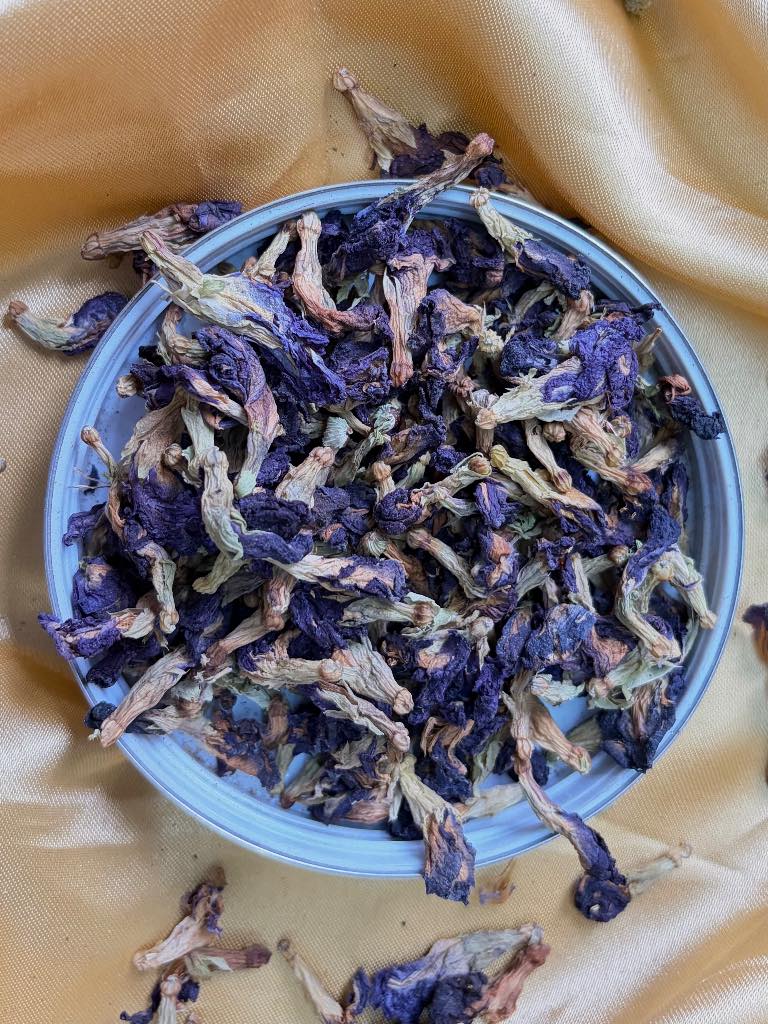
Butterfly Pea Flower Tea: Wholesale and Private Label from India
Discover wholesale and private label butterfly pea flower tea from India, including blends, formats and order details.
 Herbal Tea
Arabic-Style Herbal Blends for the Gulf Market
Arabic-inspired herbal tea blends with hibiscus, saffron, rose and cardamom. Private label manufacturing by Anantah Foods.
 Herbal Tea
Building an Ayurvedic Tea Line for the US Market
Explore how to build an Ayurvedic tea line for US customers using ingredients such as ashwagandha, moringa and tulsi. Discover blend ideas, product formats, custom formulation and private label manufacturing options with Anantah Foods.
 B2B Contract
Private Label Herbal Tea for Amazon and Shopify Sellers
Planning to sell herbal tea on Amazon or Shopify? Discover private label manufacturing options, flexible packaging, custom formulations, product samples and low starting quantities with Anantah Foods.
 Herbal Tea
Shelf Life and Stability Testing for Herbal Tea Blends
Discover what affects herbal tea shelf life, including moisture, light, oxygen, heat, packaging and stability testing.
