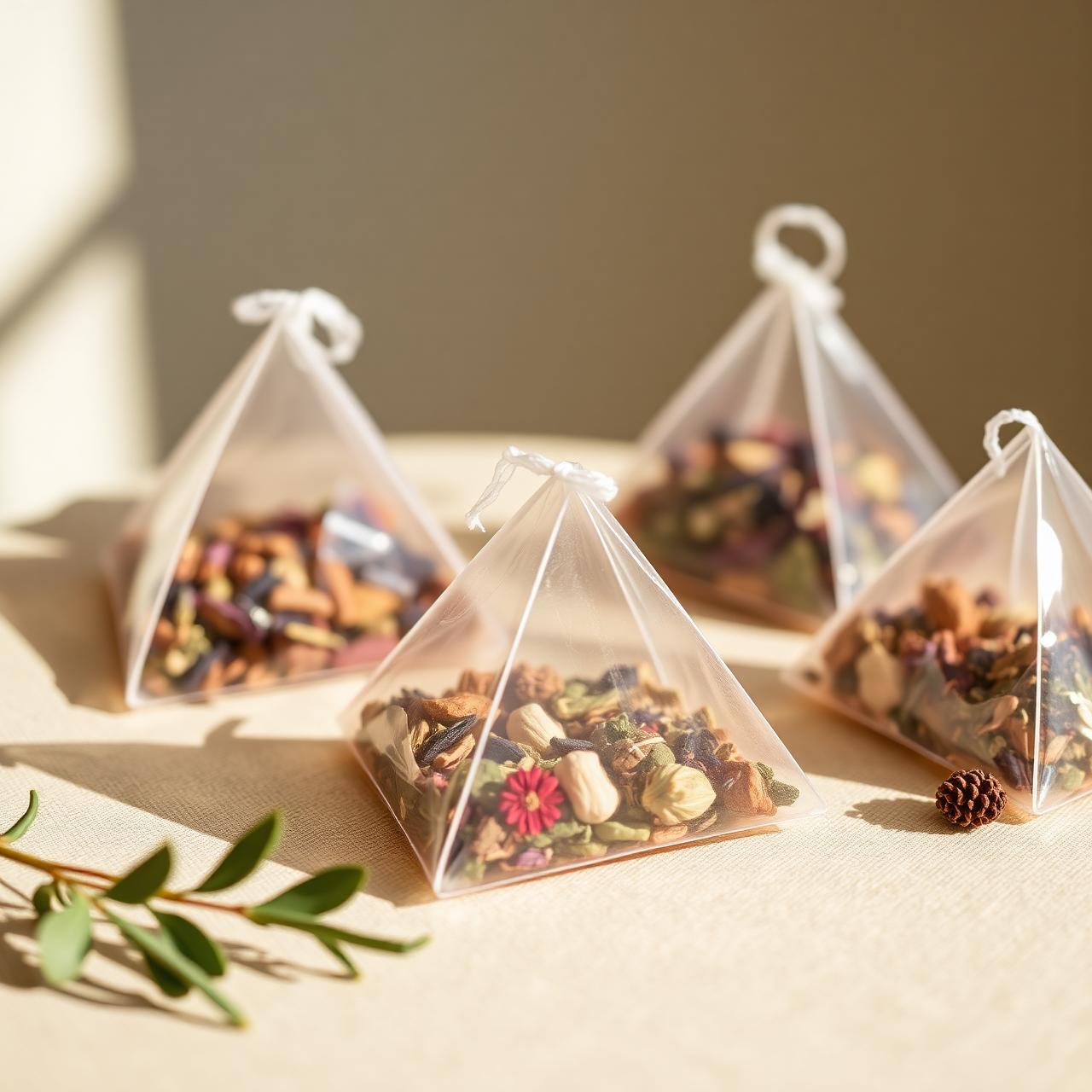
Pyramid Tea Bags, Loose Leaf or Bulk: Choosing the Right Format for Your Tea Brand
Nylon or PLA pyramid bags, loose leaf or bulk — what each format is good at, how brewing changes, and how to pick the right one for your range.
Pyramid tea bags, loose leaf or bulk? Compare the four formats Anantah Foods supplies, nylon vs PLA mesh, brewing guides and how ordering works.
Most tea brands spend weeks on the blend and a few minutes on the format. Yet the format decides what the customer actually sees, how the tea brews, what the pack costs and where you can sell it. A hibiscus and rose blend that looks beautiful in a clear pyramid bag can look like dust in a flat paper bag; the same blend sold loose to a café needs a completely different pack.
Every tea in the Anantah Foods catalogue is supplied in four formats: nylon pyramid tea bags, PLA pyramid tea bags, loose leaf and bulk. This guide walks through what each one is good at, how to choose between nylon and PLA, how brewing changes with the format, and how ordering works once you have picked one.
The four formats
One blend, four ways to sell it
The blend inside does not change between formats — the same hibiscus, the same chamomile flowers, the same black tea. What changes is the pack, the brewing experience and the kind of buyer the product suits. The table below is the quick version; the sections after it go into each format in detail.
| Format | Best for | What the customer sees | Things to plan for |
|---|---|---|---|
| Nylon pyramid bags | Retail boxes, hotels, gifting | Whole leaves, petals and seeds through a clear mesh | Nylon is a plastic — check how you describe it on the pack |
| PLA pyramid bags | Brands with a plant-based or low-plastic story | Same clear pyramid look as nylon | Composting claims depend on local facilities and rules |
| Loose leaf | Tins, pouches, cafés, premium ranges | The full blend, measured by the cup | Customers need an infuser or teapot; give dose and steep time |
| Bulk | Repackers, cafés, blenders, private label packing elsewhere | Nothing yet — you pack it | Storage, re-packing hygiene and your own labelling |
Many brands do not pick just one. A common route is pyramid bags for the retail box and loose leaf for a café or online refill range, both made from the same blend so the taste stays consistent.
Nylon pyramid
Clear, strong mesh that shows the whole ingredients. The classic premium tea-bag look.
PLA pyramid
The same pyramid shape in a plant-based material, for brands that want to cut plastic.
Loose leaf
The blend by itself, for tins, pouches and cafés that brew by the pot.
Bulk
The blend in larger packs, for buyers who will pack or serve it themselves.
Pyramid tea bags
Why pyramid bags suit whole-leaf and flower blends
A flat tea bag is designed around finely cut tea that brews quickly. Whole leaves, petals and seeds need room to open up as they take on water, and a pyramid gives them that room. The three-dimensional shape leaves space for the ingredients to move and unfurl, so the cup tastes closer to loose-leaf tea brewed in a pot.
The mesh also does the selling. In a blend like Nature’s Cleanse — hibiscus, chamomile, rose petals, licorice, ginger, holy basil, dandelion leaves, burdock root, elderflower, safflower petal and cardamom — the customer can see the petals and roots before they open the box. That is hard to achieve with paper.
Pyramid bags are a good fit when:
- Your blend has whole flowers, petals, seeds or large leaf pieces
- The product sits on a shelf or in a gift box where the look matters
- You sell to hotels, offices or cafés that serve one cup at a time
- Customers want a measured dose without a scoop or infuser
Bag material
Nylon or PLA: choosing the mesh
Both are offered for every tea in our range, and both give the same clear pyramid look. The difference is the material, and that affects what you can say on your pack.
Nylon is a food-grade plastic mesh. It is strong, holds its shape well and is the long-standing standard for premium pyramid bags. PLA (polylactic acid) is made from plant starch rather than petroleum. It is often chosen by brands that want to reduce plastic, but whether a PLA bag can be composted depends on the composting facilities available where your customer lives.
Before you print words such as compostable, biodegradable or plastic-free on a pack, check the labelling rules in each market you sell into. Ask us for the material details of the bag you choose so your claims match it.
Choose nylon if…
You want the established premium look, a firm shape in the box and no composting claims on your pack.
Choose PLA if…
Your brand story is plant-based or low-plastic and you are ready to describe disposal accurately for your market.
Loose leaf
When loose leaf makes more sense
Loose leaf is the blend with nothing around it. It suits tins and resealable pouches, cafés that brew by the pot, and premium ranges where the customer enjoys measuring and steeping. It also gives the customer control: a stronger cup is simply another spoonful.
Because there is no bag doing the measuring, the pack has to. Print a clear dose, water quantity, temperature and steeping time. These are the brewing guides for teas in our catalogue — use them as the starting point for your own labels:
| Tea | Dose | Water | Temperature | Steep |
|---|---|---|---|---|
| Chamomile Pure | 1–2 tsp | 200 ml | 95 °C | 5–7 min |
| Peppermint Pure | 1–2 tsp | 200 ml | 95 °C | 5–7 min |
| Spearmint | 1 tsp | 200 ml | 95 °C | 5–7 min |
| Hibiscus | 1–2 tsp | 250 ml | 90 °C | 5–6 min |
| Nature’s Cleanse | 1–2 tsp | 250 ml | 90–95 °C | 7–10 min |
| Stress Relief | 1 tsp | 200 ml | 90–95 °C | 6–8 min |
| Earl Grey | 1 tsp | 200 ml | 90 °C | 3–5 min |
| English Breakfast | 1 tsp | 200 ml | 100 °C | 3–5 min |
Matcha is the exception to all of the above: Ceremonial Matcha is a powder that is sifted, whisked with a small amount of water at about 80 °C and drunk whole, rather than steeped and strained.
- Print dose, water, temperature and steep time on every loose-leaf pack
- Use resealable, light-proof packaging to keep the blend fresh after opening
- Black teas such as Earl Grey and English Breakfast can be served with milk; say so on the pack
Bulk supply
Bulk for repackers, cafés and blenders
Bulk is the right format when someone else in the chain does the final packing or serving: a brand that packs in its own facility, a café or hotel group brewing in volume, or a blender adding our base teas to its own recipes.
Buying in bulk moves some responsibility to you. Plan where the tea will be stored, how it will be kept dry and away from strong smells, and how it will be re-packed hygienically and labelled for your market.
- Confirm the pack size and outer packaging you need before ordering
- Store sealed, cool and dry, away from spices and other strong aromas
- Plan your own batch labelling if you re-pack
Match the blend
Which format suits which tea
Every tea below is available in all four formats, so this is about fit rather than limits. A few practical pointers from the blends themselves:
Hibiscus
Deep red petals look striking in a clear pyramid bag. Brews hot or chilled; a natural fit for an iced-tea range in loose leaf or bulk.
Chamomile Pure
Whole chamomile flowers are light and bulky, so they need the space of a pyramid bag. A calm, caffeine-free evening tea.
Peppermint & Spearmint
Single-ingredient, caffeine-free mint teas. Easy to sell loose by the scoop in cafés, or as a simple everyday tea-bag line.
Earl Grey & English Breakfast
Black teas that contain caffeine and are often taken with milk. Pyramid bags for retail, loose leaf for cafés and hotels.
Stress Relief
A green tea base with thirteen ingredients, including butterfly pea flower, lavender and ashwagandha. A pyramid bag shows the mix off.
Lemon Ginger Black Pepper Stevia
A zesty, slightly spicy caffeine-free blend with stevia already in it. Works well as a single-serve bag.
Ordering
From sample to first order
Once you have a format in mind, the process is short. Browse the catalogue and shortlist the teas, request samples, then confirm the format, bag material and pack details for your first order.
Our tea lines are food grade, minimum order quantities are flexible, and the standard lead time for most stock blends is about 15 days. Some blends take longer — Nature’s Cleanse — Hibiscus & Rose is quoted at 3–4 weeks — so check the lead time on each product page.
- Shortlist teas from the catalogue
- Request samples and brew them as your customer would
- Choose the format: nylon pyramid, PLA pyramid, loose leaf or bulk
- Confirm quantities, packaging and delivery address
Samples
Request samples from any product page before you commit to a format.
Flexible MOQ
Minimum quantities are flexible, so you can start small and grow.
About 15 days
Standard lead time for most stock blends; some take longer — see each product page.
Next step
Talk to us about your range
If you are not sure which format suits your brand, tell us where you plan to sell and which teas you are considering. We will help you compare formats and send samples. Get in touch or open any tea in the catalogue to request a sample.
Common questions
01Which formats can I order your teas in?
Every tea in our catalogue is available as nylon pyramid tea bags, PLA pyramid tea bags, loose leaf and bulk.
02What is the difference between nylon and PLA pyramid tea bags?
Both give the same clear pyramid look. Nylon is a food-grade plastic mesh; PLA is made from plant starch. Whether PLA can be composted depends on local facilities, so check labelling rules in your market before making disposal claims.
03Why use pyramid tea bags instead of flat tea bags?
The pyramid shape gives whole leaves, petals and seeds room to open as they brew, and the clear mesh lets customers see the ingredients.
04What is the minimum order quantity?
Minimum order quantities are flexible, so new brands can start with smaller runs.
05How long does an order take?
The standard lead time for most stock blends is about 15 days. Some blends take longer — the lead time is shown on each product page.
06Can I get samples before choosing a format?
Yes. You can request samples from any product page in the catalogue or through our contact page.
More guides
 Herbal Tea
Private Label Herbal Tea Manufacturer in India
Launch your own herbal tea brand with Anantah Foods' private label manufacturing services. We offer custom formulations, pyramid tea bags, low MOQ manufacturing, packaging, and complete branding support.
 Herbal Tea
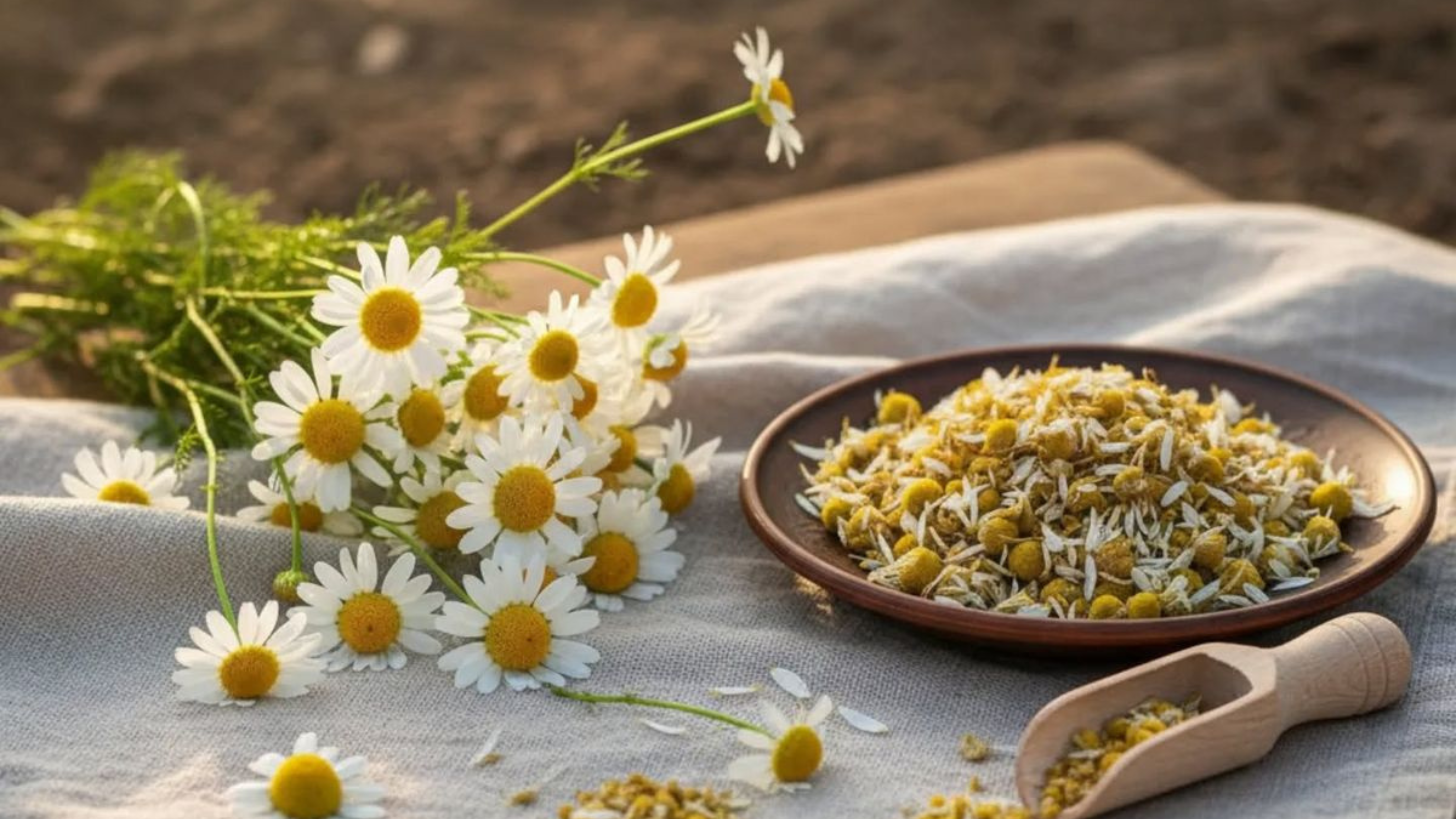
Chamomile Tea Supplier in India for Wellness Brands
Discover how to source premium Chamomile tea from India, including quality considerations, private label solutions, and manufacturing capabilities for wellness brands.
 Herbal Tea
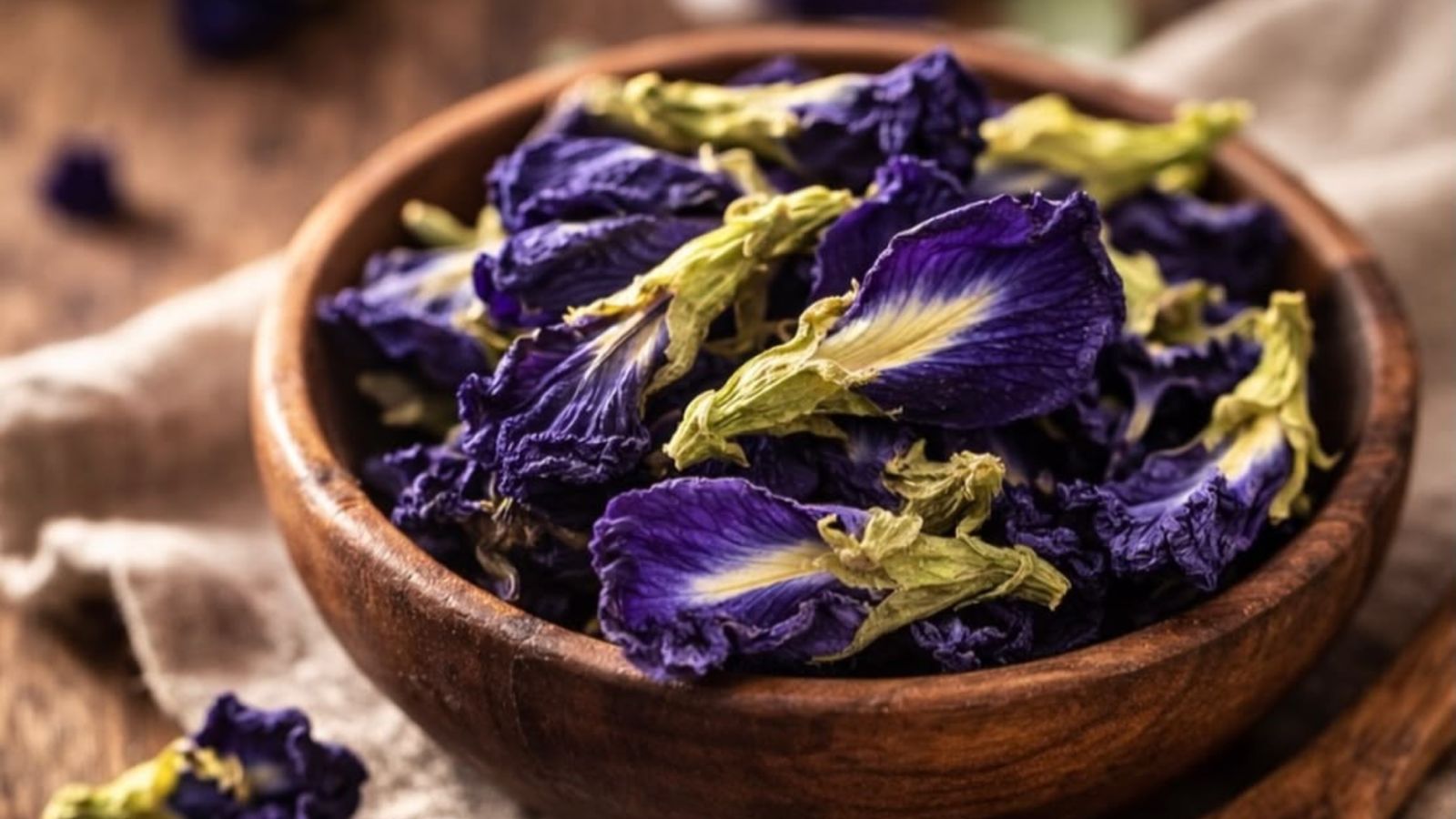
Butterfly Pea Flower Supplier in India
Discover premium Butterfly Pea Flowers for herbal teas, wellness beverages, and private label manufacturing.
 Herbal Tea
How to start your own herbal tea brand
A practical guide to launching a herbal tea brand — from formulation to packaging, compliance and route to market.
 B2B Contract
Anantah Foods: B2B Ayurvedic & Herbal Contract Manufacturer in India for Private Label Brands
Anantah Foods (SK Mantra Private Limited) is a GMP, FSSAI & APEDA certified B2B contract manufacturer in India, offering private label herbal tea, Ayurvedic powder, capsule, and wellness product manufacturing for D2C brands, hospitality, retail, and export clients across the USA and Canada.
 Herbal Powder
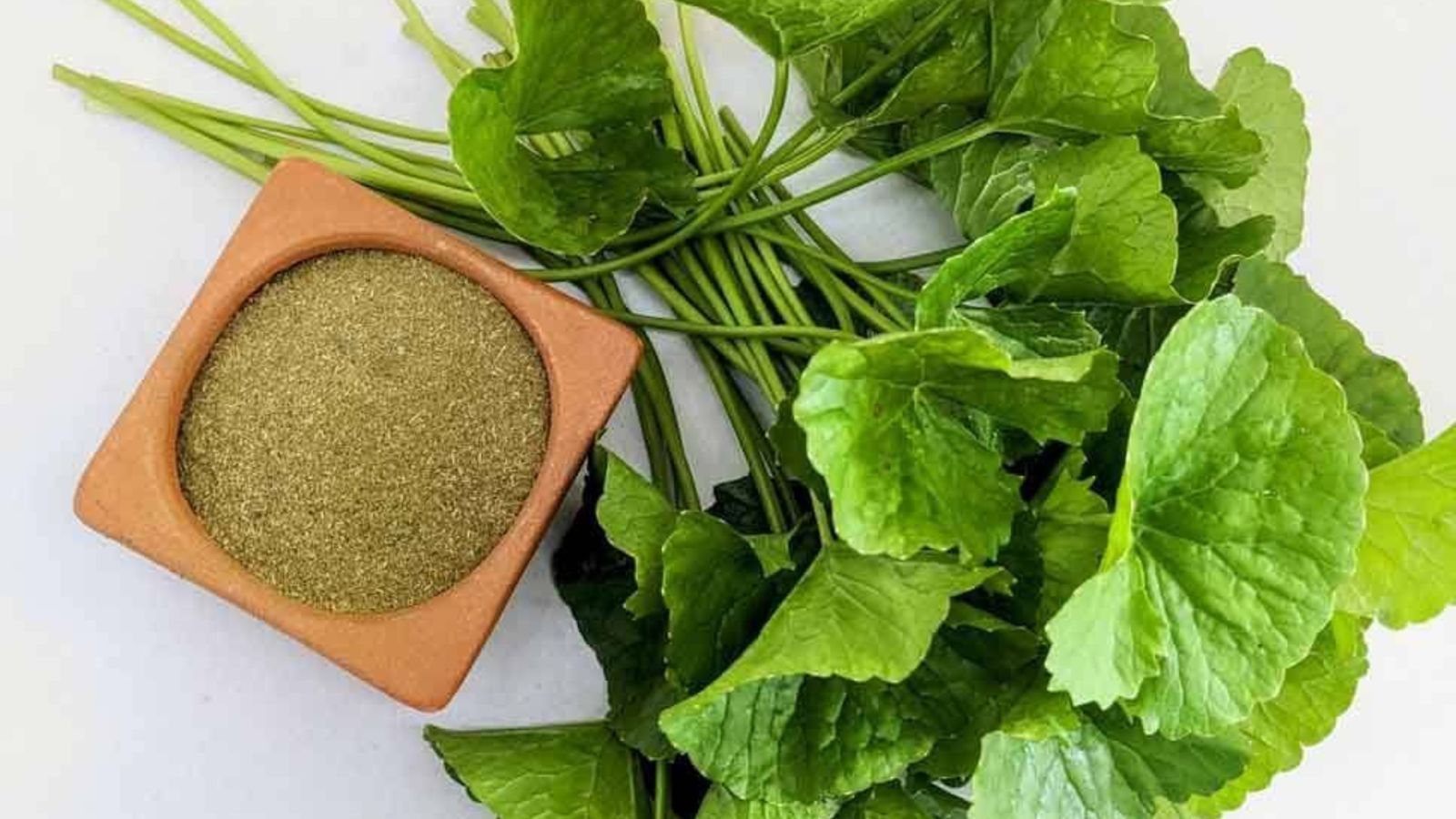
Gotu Kola Supplier in India
Source premium Gotu Kola from India for herbal supplements, wellness products, and private label manufacturing.
 Export
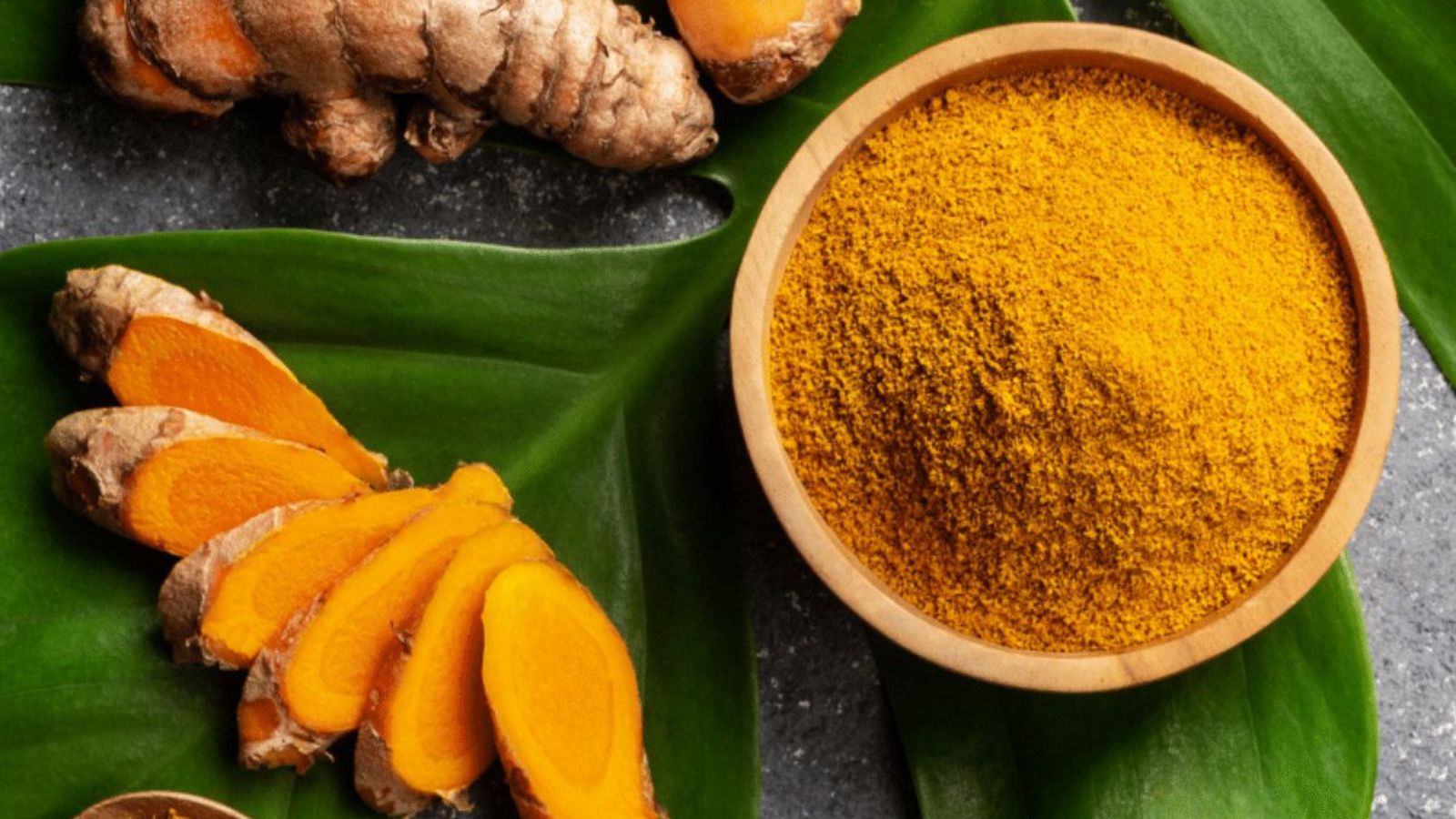
Turmeric Powder Manufacturer in India: Export Guide
Everything buyers need to know about sourcing premium Turmeric powder from India for export markets.
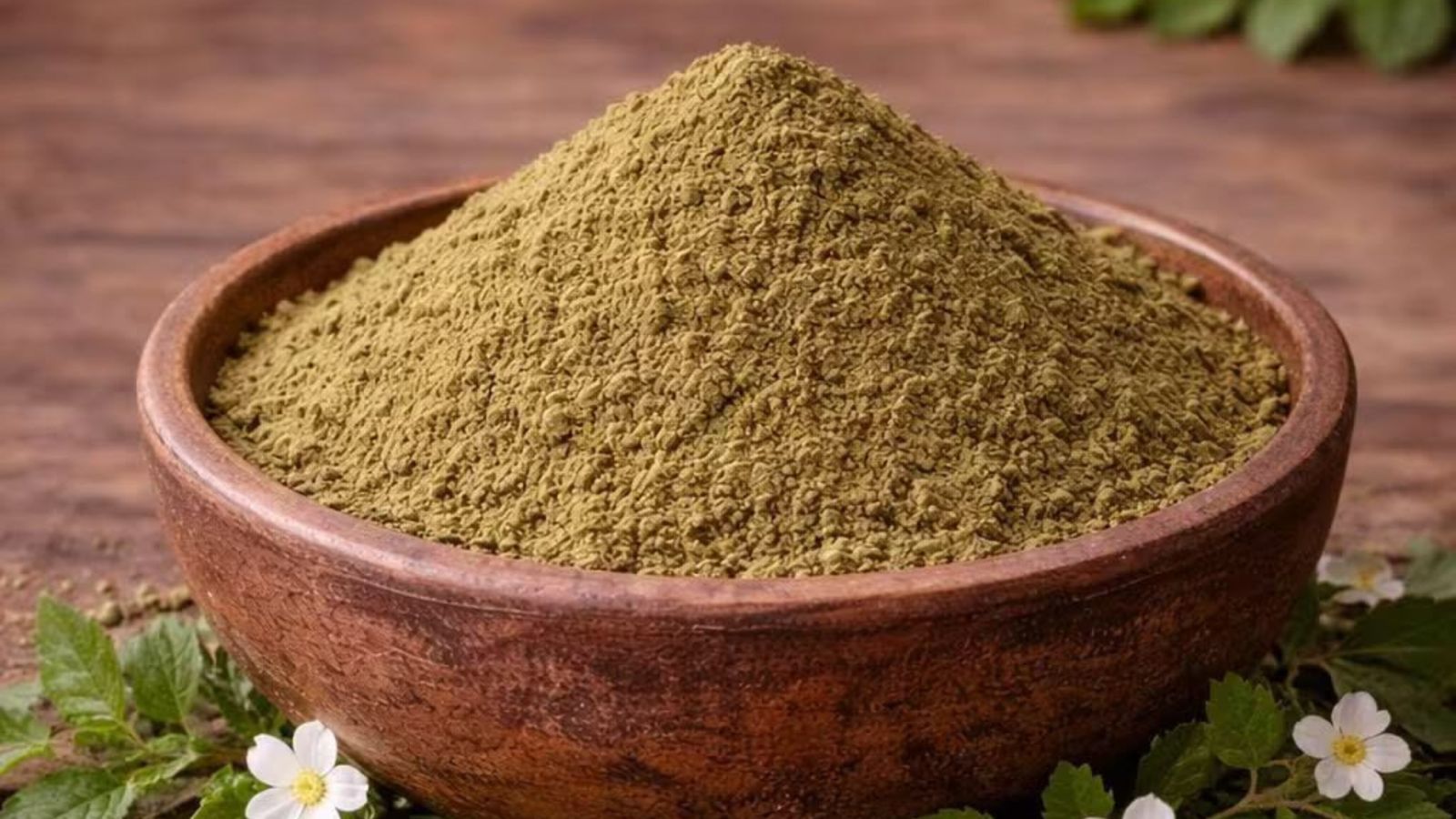 Herbal Powder
Brahmi Powder Manufacturer in India: Applications for Cognitive Wellness
Learn why Brahmi powder is becoming a preferred ingredient for cognitive wellness products and how to choose the right manufacturer in India.
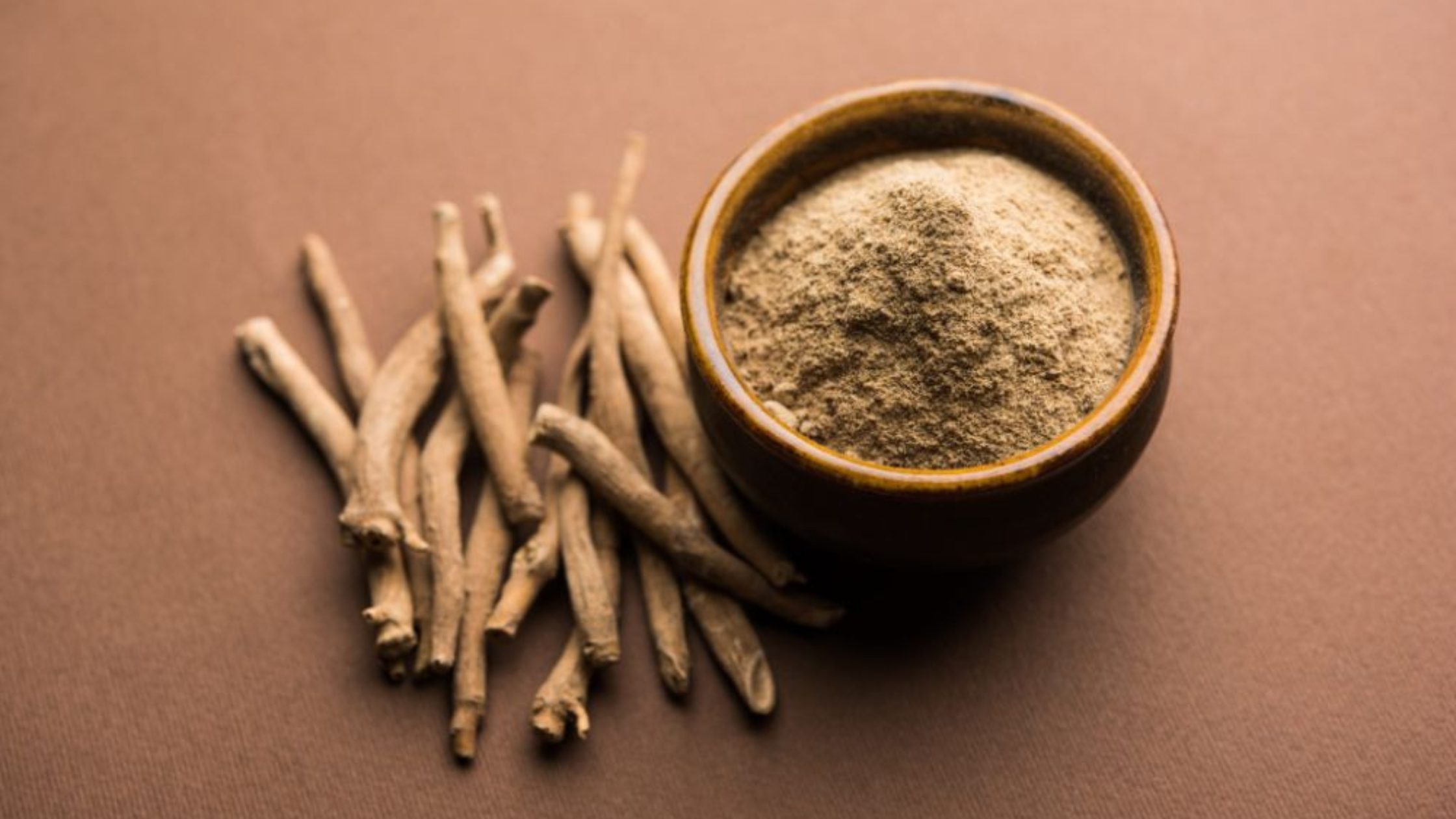 Herbal Powder
Shatavari Powder Manufacturer in India for Women’s Wellness Brands
Discover why wellness brands choose premium Shatavari powder manufacturers in India for women's wellness formulations, private label manufacturing, and bulk supply.
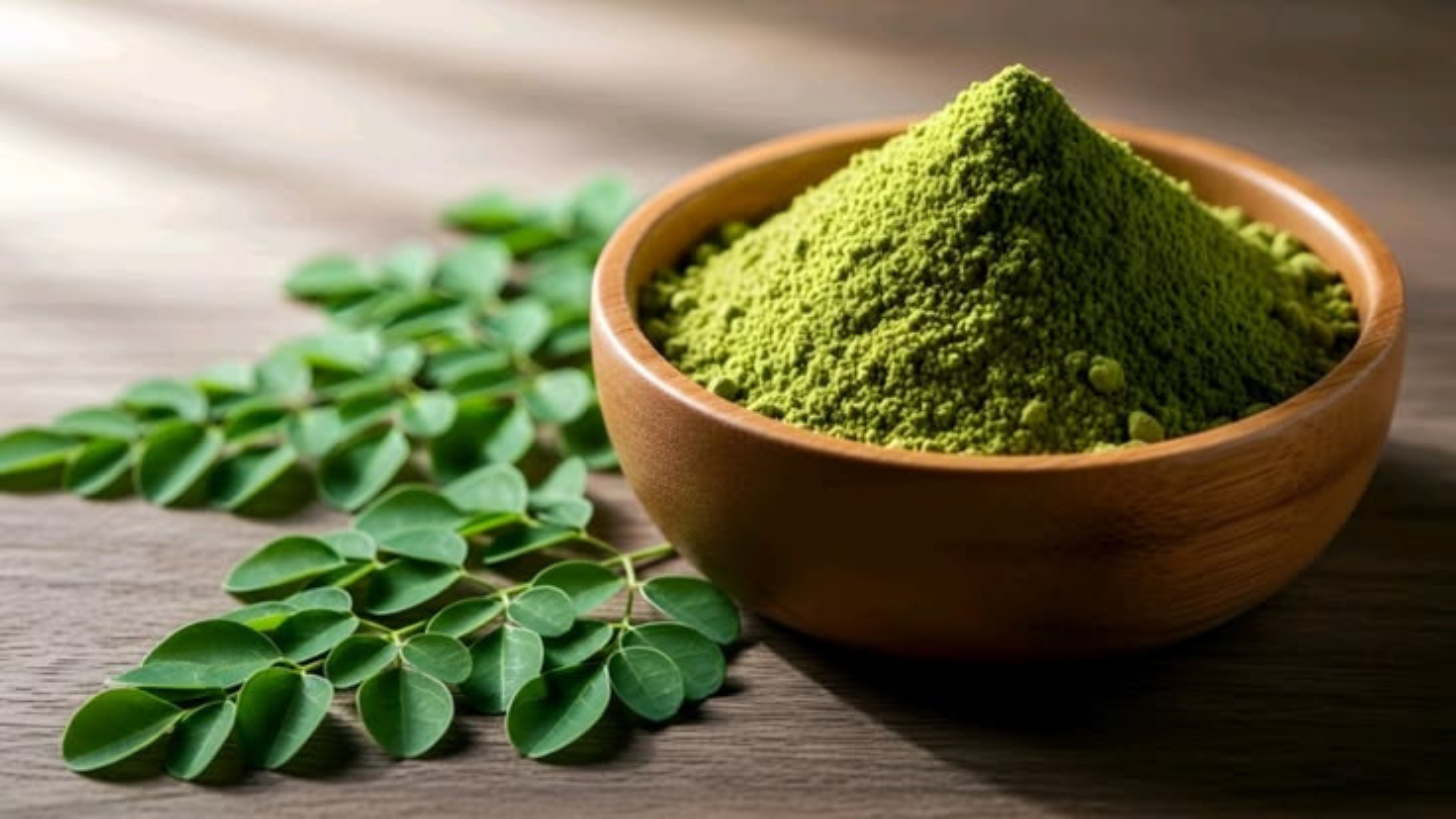 Herbal Powder
Moringa Powder Manufacturer in India: Applications and Market Demand
Explore the applications, market demand, and sourcing considerations for Moringa powder and discover why it has become one of the fastest-growing ingredients in the wellness industry.
